
Everything’s bigger in Texas — including the policy debates.
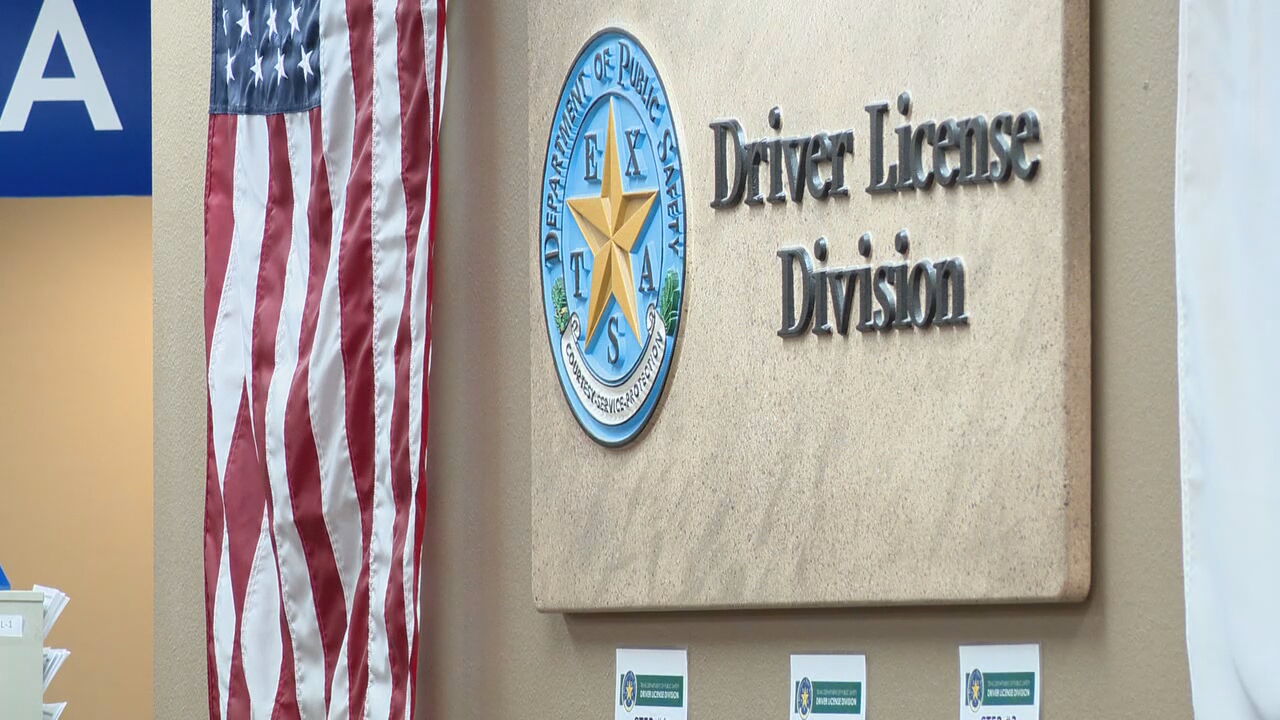
Now Texas has joined Florida in tightening requirements at the DMV. Under a new rule, Texans must show proof of legal status in order to register vehicles. The change adds another layer of verification in a state already at the center of the national immigration discussion.
Supporters say it’s long overdue.
Critics say it’s unnecessary or overly restrictive.
The deeper question is this: If America is a nation of laws, shouldn’t legal presence matter in state-issued documentation?
What the New Rule Does
According to reporting by NewsNation, the new Texas policy requires individuals registering vehicles to provide documentation proving lawful presence in the United States.
Vehicle registration might seem routine, but it connects to:
- Identification systems
- Insurance compliance
- Law enforcement records
- Taxation and accountability
Supporters argue that allowing individuals without legal status to obtain certain state documents undermines the consistency of immigration enforcement.
A Question of Legal Consistency
Immigration law is federal.
Licensing and vehicle registration are state functions.
But the two intersect in practical ways.
States issuing documentation that implicitly legitimizes presence can complicate federal enforcement efforts. On the other hand, states must also ensure roads are safe and vehicles are properly insured.
This is where the debate sharpens.
Is requiring proof of legal status about public safety and administrative clarity — or is it a symbolic step in a broader immigration policy fight?
The “Nation of Laws” Argument
Many Americans believe that immigration policy, regardless of compassion, must be rooted in lawful process.
The argument goes like this:
If laws exist, they must be enforced consistently.
If enforcement is inconsistent, credibility erodes.
Requiring proof of lawful presence at the DMV becomes part of that larger principle — reinforcing the idea that government benefits and credentials are tied to legal standing.
To supporters, this isn’t punitive. It’s procedural.
Critics Raise Concerns
Opponents argue that policies like this can create unintended consequences:
- Unregistered vehicles
- Uninsured drivers
- Administrative backlogs
- Confusion about acceptable documentation
Some also worry about the ripple effects on mixed-status families and broader economic participation.
In short, critics view the move as more confrontational than corrective.

The Political Undercurrent
Immigration remains one of the defining political issues of this decade. Border security, asylum policy, work permits, and enforcement priorities dominate headlines.
When large states like Texas and Florida take assertive action, it sends a message — not just administratively, but politically.
Is this the beginning of a coordinated state-level effort to tighten documentation standards nationwide?
Time will tell.
A Broader Impact?
Policies often spread from one state to another. Driver’s license standards, voter ID laws, and concealed carry policies have all followed that pattern in recent years.
If more states adopt similar verification requirements, the cumulative effect could reshape how immigration status interacts with daily life in America.
Whether one views that as reform or restriction depends largely on perspective.
Final Thought
Texas joining Florida signals a clear direction: documentation tied to lawful presence.
To many Americans, that aligns with a foundational principle — a country governed by laws must apply them consistently.
To others, it feels like another escalation in an already heated debate.
But one thing is certain: immigration policy is no longer confined to the border. It now touches DMV counters, state databases, and everyday administrative processes.
And in the coming months, expect more states to weigh in.
#TheNevadaConservative #TNC #National
About the Author