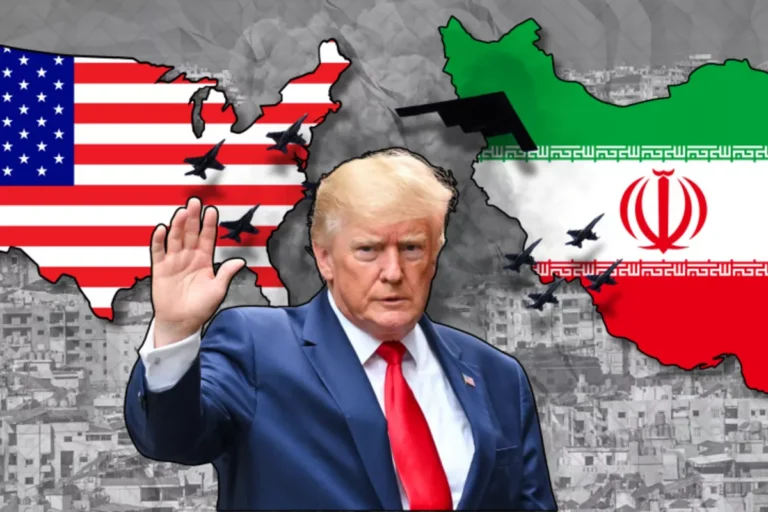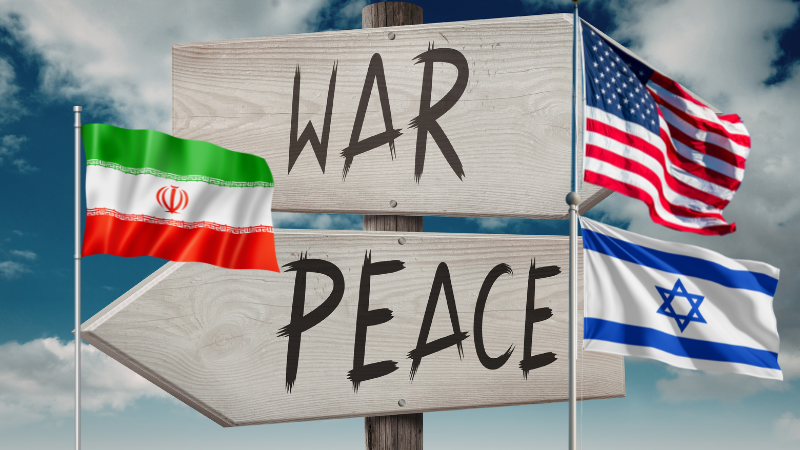
Good morning, fellow patriots. In a dramatic 11th-hour breakthrough, the United States, Israel, and Iran have agreed to a two-week ceasefire, averting what President Donald J. Trump warned could have been a devastating blow to the Iranian regime. This pause comes after weeks of decisive U.S. and Israeli military action that crippled Iran’s aggressive capabilities and reopened critical global shipping lanes. Yet, as our TOP Story today, the details remain murky, and troubling reports of continued attacks raise serious questions about Tehran’s commitment to peace.
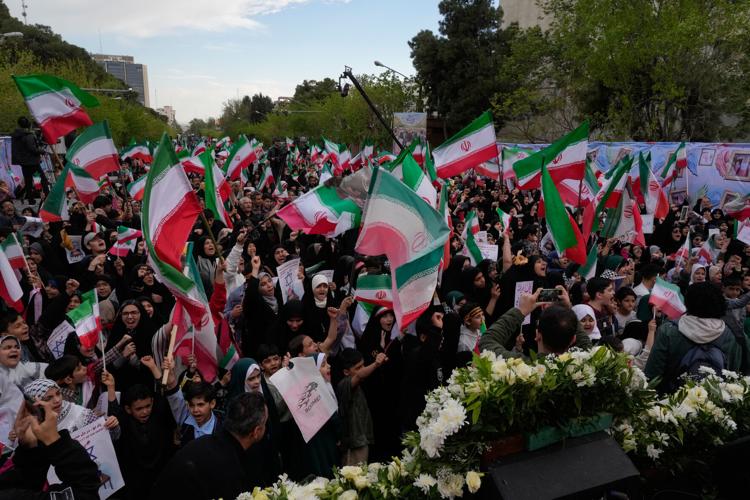
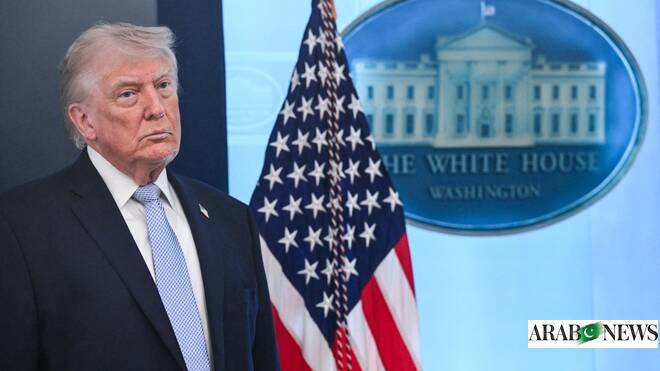
President Trump, true to his America First leadership, pulled back from escalated strikes only after Iran signaled willingness to negotiate under intense pressure. The deal, mediated in part by Pakistan with talks set to begin soon in Islamabad, includes a temporary halt in direct hostilities between the U.S., Israel, and Iran. Trump has emphasized discussions on tariff and sanctions relief, while Defense Secretary Pete Hegseth boldly declared a “capital V military victory,” noting that Iran’s military no longer poses the same threat. U.S. forces stand ready to resume operations if needed, and the President has made clear that Lebanon – and the fight against Iranian-backed Hezbollah – remains outside this agreement.
Israel’s Prime Minister Benjamin Netanyahu has firmly backed the pause with Iran but stressed it does not apply to ongoing operations against Hezbollah terrorists in Lebanon. Just hours after the announcement, Israeli forces struck over 100 targets there – the largest wave in weeks – sending a clear message that America and our ally will not tolerate proxy armies threatening Israel’s existence.
Unfortunately, the ink was barely dry before troubling violations emerged. Iranian missiles and drones targeted Gulf states including Bahrain, Kuwait, Saudi Arabia, and the UAE. An oil refinery on Iran’s Lavan Island came under attack, with black smoke rising as reports circulated. These incidents, coming so soon after the deal, underscore the regime’s history of deceit and its unwillingness to fully abandon terror sponsorship. Vice President JD Vance rightly called the ceasefire “fragile,” a reminder that trusting the mullahs in Tehran has never been wise.
This conflict erupted after Iran’s relentless provocations, including attacks that disrupted the vital Strait of Hormuz – the artery carrying nearly a fifth of the world’s oil. President Trump’s tough stance forced a temporary reopening for safe passage, protecting American interests, global energy markets, and our allies. Markets reacted positively with stocks rising and oil prices easing, but long-term stability demands more than a short pause.
With Israel as a biblical ally and the region’s only true democracy, this moment highlights the importance of strength through peace. Weakness invites aggression, as we saw under previous administrations that appeased Iran with pallets of cash and flawed nuclear deals. President Trump’s approach – maximum pressure followed by pragmatic negotiation – puts America and our allies first while holding the line against radical Islamism.

Much remains unclear: Will Iran truly abandon its nuclear ambitions and stop enriching uranium? Will buried stockpiles be removed as U.S. officials hope? And will Hezbollah heed any broader call for calm, or continue raining rockets on innocent Israeli civilians? Permanent peace talks must address these core threats, including Iran’s missile program and its destabilizing influence across the Middle East.
President Trump’s decisive leadership has once again demonstrated that peace is best secured through unrivaled strength, not naive concessions.
#TheNevadaConservative #TNC #TNVCNews #International #Iran
About the Author