
How Manufactured Chaos Is Being Used to Undermine the American Republic**
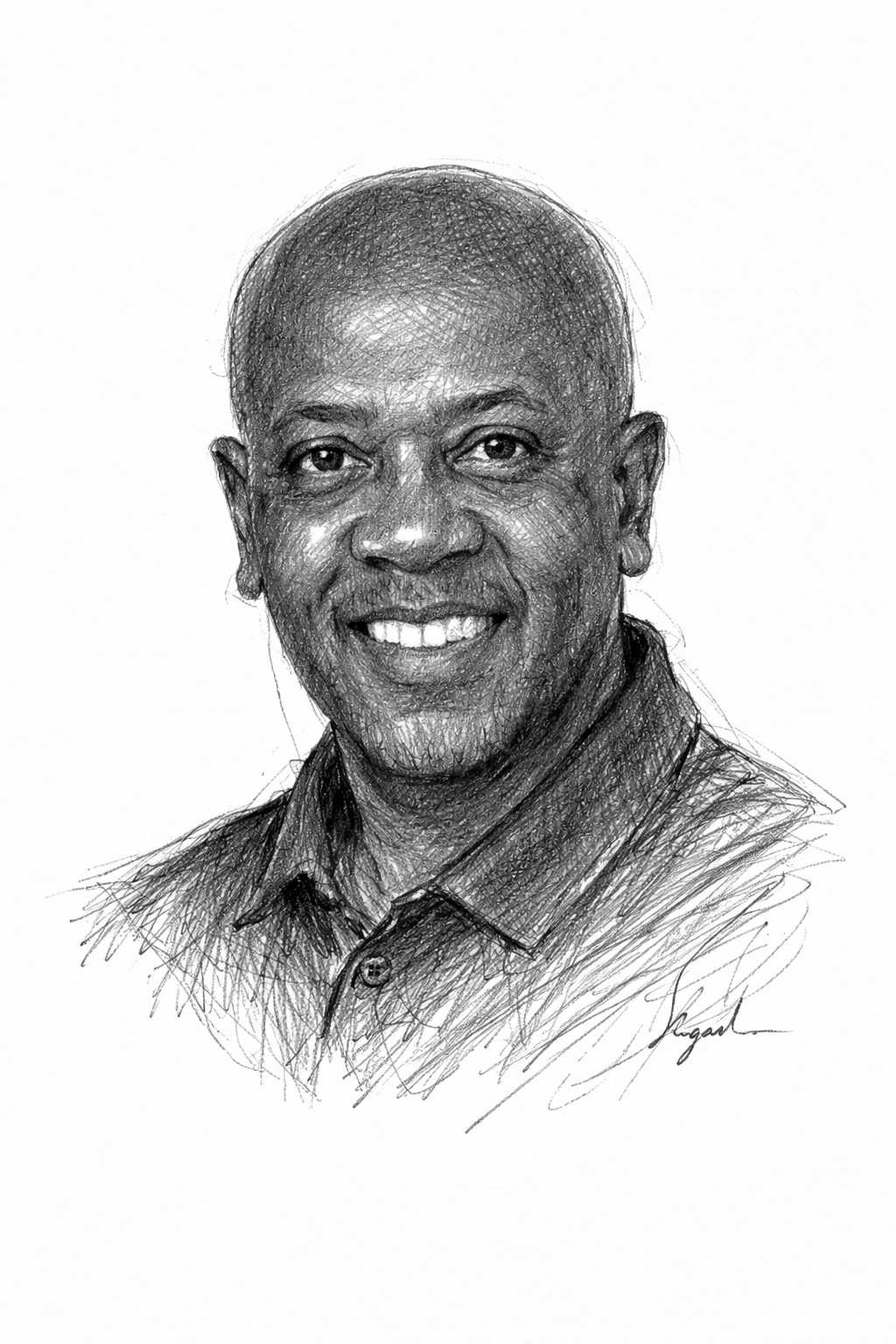
Sherman Ray, Editor-in-Chief, The Nevada Conservative
The United States has seen this movie before—just not on its own soil.
The 2025 election was a reform election. The American people, by a clear and lawful majority, rejected the policies of the prior administration and voted for enforcement of immigration law, economic stabilization, and the restoration of public order. That decision was neither ambiguous nor accidental. It was the expressed will of the electorate.
What has followed, however, is not normal political opposition. It is something far more dangerous.
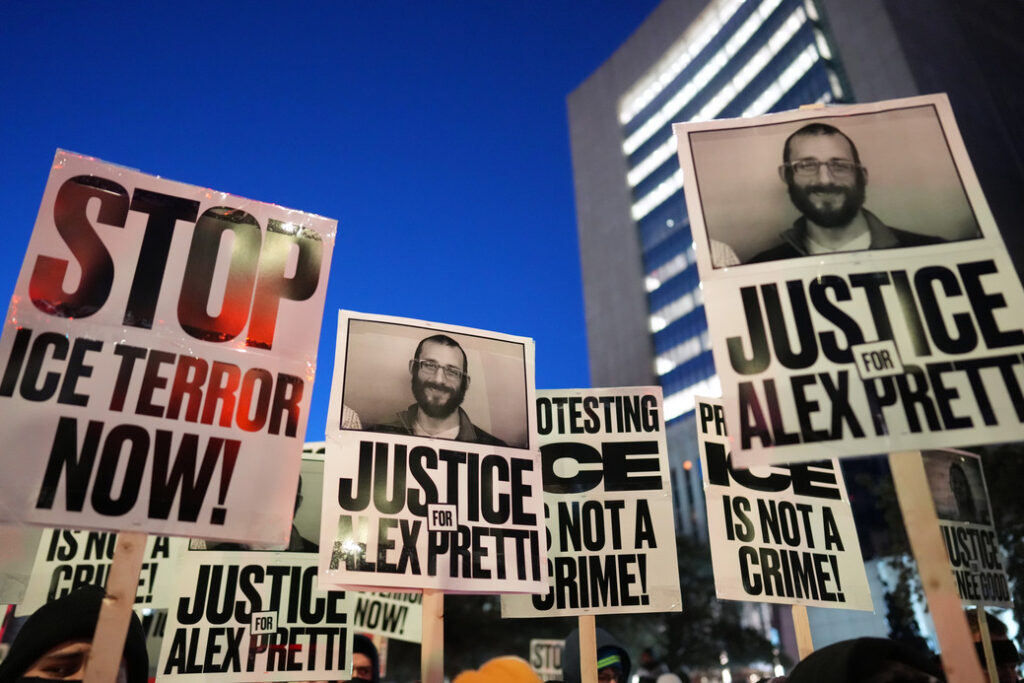
Since the election, the nation has been subjected to rolling unrest, coordinated protests that escalate into violence, intimidation of judges and public officials, and a relentless narrative that the country is “spiraling into chaos.” This is not organic dissent. It is manufactured instability—and history tells us exactly what it looks like.

The Strategy of Destabilization
During the Cold War, U.S. military and intelligence planners studied how governments collapse without conventional warfare. In places like Guatemala and Honduras, instability was not created by invading armies. It was created by small, persistent disruptions—labor strikes, street violence, targeted intimidation, and psychological pressure applied to civilian populations.
The objective was simple: make normal life impossible.
Citizens were not necessarily persuaded that insurgents were right; they were worn down until they were willing to accept any alternative that promised peace.
This tactic was refined further in Indo-China.
Lessons from Indo-China the Media Won’t Mention
During the Vietnam era, U.S. forces learned that guerrilla warfare was less about battlefield victories and more about perception management. In Vietnam, along with neighboring Laos and Cambodia, insurgent forces understood a crucial truth:
If the population believes the government cannot maintain order, the government eventually loses—regardless of policy success.
Tactics included:
- Repeated low-level attacks rather than decisive battles
- Blending into civilian populations
- Provoking overreaction or paralysis from authorities
- Using media narratives to magnify disorder beyond its actual scale
These were not accidents. They were doctrine.
The Domestic Adaptation of PsyOps
What we are witnessing today is a domestic adaptation of these same principles.
Psychological operations—PsyOps—are designed to influence emotions, not logic. They seek to exhaust, confuse, and demoralize a population until citizens begin to associate law enforcement and governance with instability rather than safety.
In the current American context, this manifests as:
- Repeated “protests” that predictably turn destructive
- Well-funded activist networks moving from city to city
- Coordinated messaging blaming the governing party for the resulting disorder
- Media amplification that treats chaos as inevitable rather than intentional
The purpose is not to debate policy. It is to delegitimize the outcome of the election.
Policy Was the Mandate—Chaos Is the Countermove
The governing party has done what it said it would do. Border enforcement was reinstated. Immigration law began to be enforced. These actions were central campaign promises, openly discussed and approved by voters.
The opposition has not countered with alternative policies. Instead, it has relied on pressure through disruption.
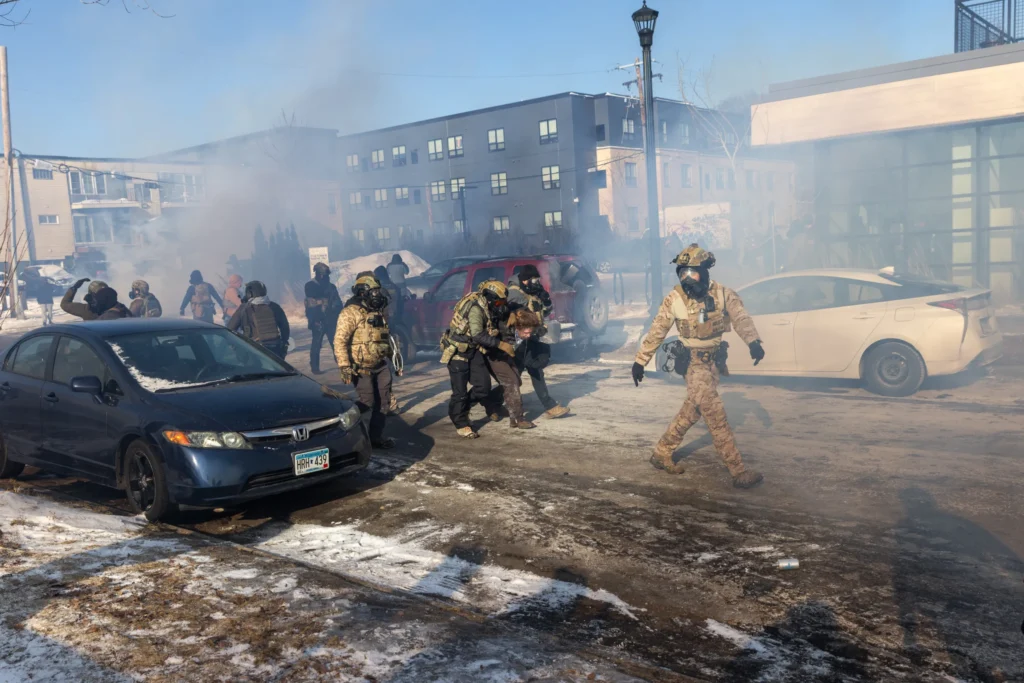
Events in Minnesota and elsewhere illustrate the point. Demonstrations quickly escalated into threats against judges, attacks on public institutions, and intimidation of law enforcement. These are not expressions of civil discourse. They are coercive tactics.
Historically, this approach is used when political movements cannot win through persuasion.
The False Narrative of “Chaos Fatigue”
Media commentators now claim voters are abandoning reform because they are “tired of the chaos.” What they fail to say—conveniently—is who is causing it.
This is textbook subterfuge:
- Create disorder
- Blame the governing authority for instability
- Campaign on restoring calm
It is the same strategy used repeatedly in destabilization campaigns abroad. The only difference now is the target.

A Republic Under Psychological Pressure
Nations do not fall because their citizens lose elections. They fall when citizens are conditioned to believe that enforcing the law is more dangerous than ignoring it.
If Americans are taught that borders cannot be secured without unrest, that laws cannot be enforced without violence, and that elections must be overturned to preserve “peace,” then the Republic has already begun to lose ground.
This is not protest. It is not activism. It is political warfare conducted below the threshold of armed conflict.
And history—from Central America to Indo-China—warns us exactly where that road leads.
The American people voted for reform.
Chaos is not the consequence of that choice—it is the weapon being used against it.
About the Author