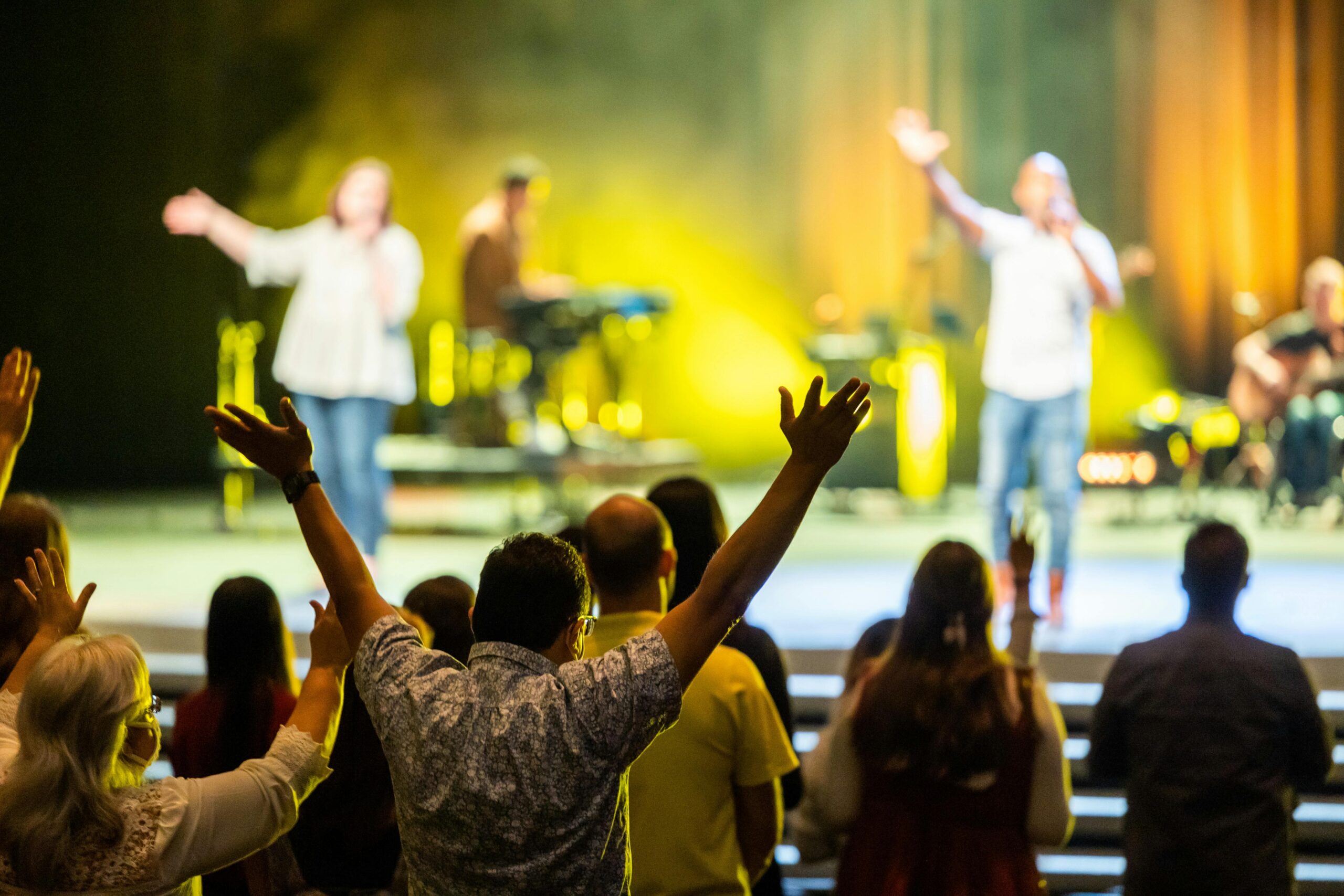
This past week, a group of protesters entered what should have been a peaceful, unassuming church in Minneapolis, intent on doing the unthinkable: disrupting and intimidating worshippers gathered for a normal Sunday morning service.
The entire incident was caught on camera. Frightened parishioners prayed, embraced one another, and attempted to shield themselves as confusion and fear rippled through the sanctuary. For a moment, many believed they were facing terrorists in the heartland of America. One brave attendee pleaded with the intruders, telling them he understood their cause and even empathized with their concerns—but that they had crossed an unmistakable line by bringing their anger and intimidation inside the four walls of a church.
What must have felt like an eternity finally ended after ten minutes. Yet those ten minutes were enough to remind the nation of another church assault—one that ended far more tragically, with nearly a dozen worshippers gunned down and an entire community left in shock. The images are different, but the violation is the same: contempt for the sanctity of a place where Americans gather peacefully to worship their God.
Security concerns are nothing new for houses of worship. But have threats escalated in recent months as law enforcement has increased efforts to enforce immigration laws? Are churches now at heightened risk of attack by social activists who see no boundary they will not cross? And perhaps most importantly, what are churches doing to mitigate or neutralize those who are bent on sending a message—no matter the cost to innocent worshippers?
Why do churches and people of faith increasingly find themselves in the crosshairs of political and social conflicts? And how are congregations adapting to protesters who show no respect for churches that have traditionally served as sanctuaries from the chaos of the outside world?
Church attendance has declined in recent years, in part due to COVID lockdowns in 2020 and 2021. But one must now ask whether the growing specter of harassment—or even violence—has further intimidated Americans from attending weekly services. Fear has a way of emptying pews just as effectively as any government mandate.
The Pilgrims came to this land primarily to escape oppression, especially in matters of religious worship. Our founding documents explicitly affirm the freedom of religious expression and peaceful assembly. Have protesters now gone a step—or a brick—too far by breaching the hallowed walls of a church?
The danger in federal officials failing to respond forcefully to protesters who target religious assemblies is that such inaction invites repetition. Unlike street marches and shouted slogans, religious freedom is a bedrock institution of this nation. It is not negotiable, nor is it a stage for intimidation.
Our hope is that those charged with upholding the law—as well as protest organizers themselves—will think long and hard about the consequences of eroding religious liberty in a land whose national motto remains, “In God We Trust.”
S. A. Ray
Editor, The Nevada Conservative
About the Author